Retainer Care and Replacement Costs in Surbiton
Keep Your New Smile Straight After Braces
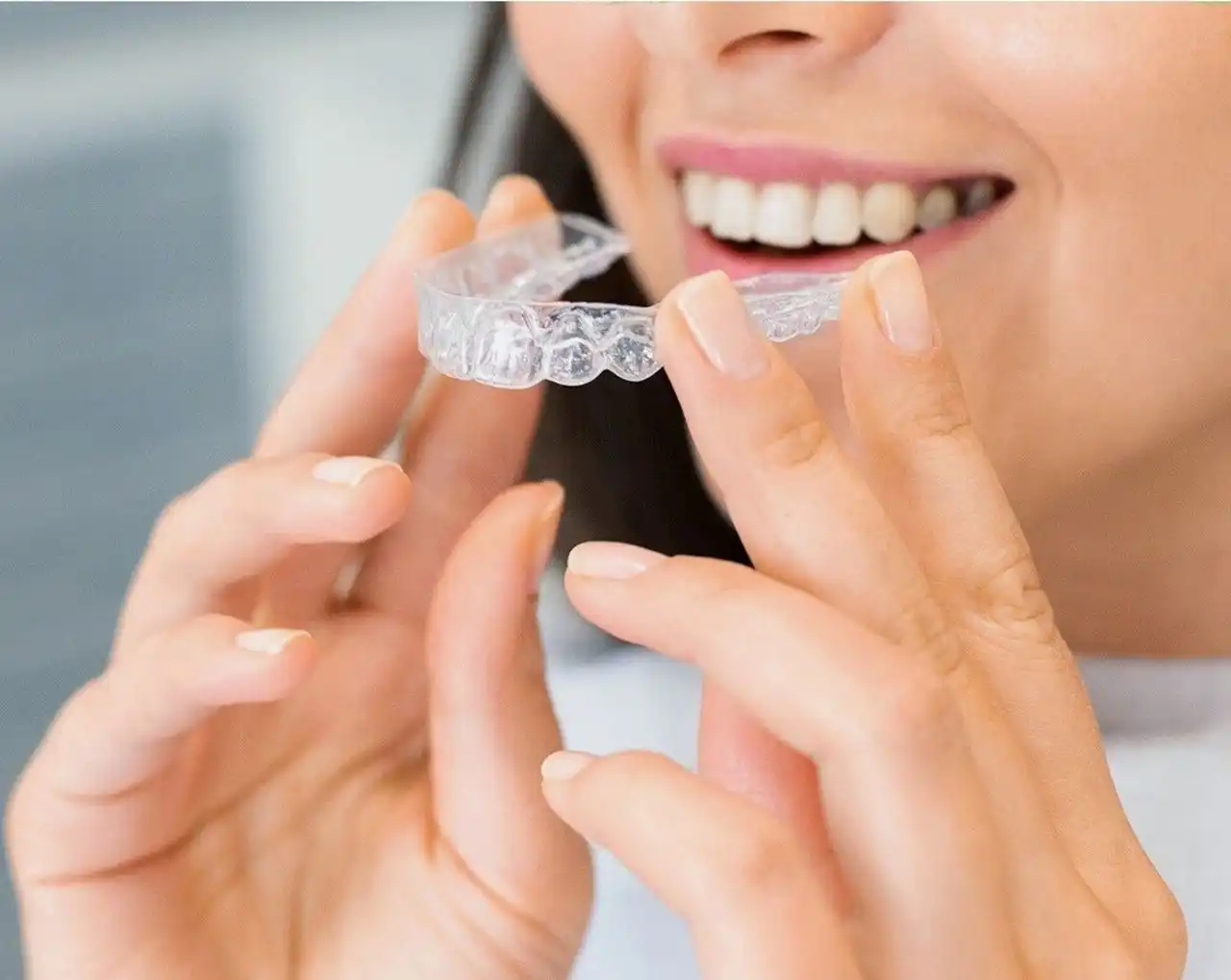
Finishing orthodontic treatment is a big moment, but keeping your teeth straight does not stop when the braces come off. Retainers help protect the result you worked hard for, especially while your teeth and gums settle into their new positions.
For patients who have completed private orthodontic treatment in Surbiton, the right retainer routine depends on their own treatment plan. Your orthodontic team’s advice should always come first. Here, we explain why retainers matter, how they are commonly worn, what to do if one is damaged, and how to care for it each day.
Why Retainers Matter After Private Orthodontic Treatment
Braces move teeth gradually, but the tissues around those teeth need time to adjust. A retainer holds the teeth in place during this settling period and helps lower the chance of relapse, which means teeth moving back towards their old positions.
Teeth can also shift naturally throughout life. This can happen even when orthodontic treatment was successful and your smile looked straight for a long time. Small movements may lead to crowding, gaps, rotated teeth, or changes in how your bite feels.
Retainers are not a short-term extra. They are part of looking after your orthodontic result for the long run. Keeping them safe and wearing them as instructed gives your smile the best chance of staying where it should be.
Your plan may differ from someone else’s because every bite and treatment outcome is different. It is important to:
- Follow the instructions given by your orthodontic clinician
- Keep any planned review appointments
- Store retainers safely when they are not in your mouth
- Ask for advice if the fit changes
Follow Your Personal Wear Schedule
Many patients with removable retainers are asked to wear them full time at first. This often means taking them out only for meals, drinks other than water, and brushing your teeth. However, the exact routine should come from the clinician who knows your treatment.
Once the teeth have settled, some patients may be advised to move to night-time wear. Long-term night wear is often recommended because teeth do not simply become fixed forever after braces. Regular wear helps hold your result while you sleep, without affecting your daytime routine.
Do not stop wearing a retainer just because your teeth still look straight. Changes can be slow and may not be obvious at first. Equally, do not force a retainer into place if it feels unusually tight, painful, or distorted. A tight retainer can be a sign that teeth have moved or that the appliance has changed shape.
If you are unsure about your routine, it is safer to ask for professional guidance before making changes. A quick check can prevent a small issue from becoming a bigger orthodontic concern.
Lost, Broken or No Longer Fitting
Retainers are easy to misplace. They may be wrapped in a napkin during a meal, left in a changing room, or damaged by being sat on. Plastic retainers can also warp if they are left near heat, such as a radiator or hot car.
If your retainer is lost, cracked, or broken, act promptly. Teeth can begin to move without regular retention, particularly soon after treatment has ended. Keep any other retainer you have, even if it is damaged, as it may help the dental team understand what has happened.
Private replacement options can vary. They may depend on the type of retainer, how long it has been since orthodontic treatment, and the condition of your teeth. A team member can explain the assessment, appliance options and applicable private fees before replacement work goes ahead.
A replacement visit may include:
- An assessment of your teeth and current retainer fit
- A digital scan or dental impression
- Discussion of the most suitable replacement appliance
- A fitting appointment with guidance on wear and care
Bring the broken appliance or remaining retainer with you if possible. Even a cracked retainer can provide useful information.
Make Retainer Care Part of Every Day
A clean retainer is more comfortable to wear and easier to keep fresh. Rinse it after taking it out, then clean it regularly with a soft toothbrush and a suitable retainer-cleaning product. Hot water should be avoided because it can change the shape of some plastic retainers.
Good storage matters just as much as cleaning. When a retainer is not being worn, it should go straight into its protective case. Leaving it loose on a table, wrapping it in tissue, or putting it in a pocket makes loss or damage much more likely.
Keep retainers away from pets, young children, heat sources, and direct sunlight. Dogs especially may chew retainers because of their smell.
Ask for professional advice if you notice:
- Cracks, rough spots, or sharp edges
- Persistent odour or heavy discolouration
- A loose fit or an appliance that suddenly feels tight
- Pain, rubbing, or changes in how your teeth meet
Routine dental examinations and hygiene care also support your long-term oral health while you wear retainers.
Protect Your Orthodontic Result in Surbiton
Retainer wear is an ongoing investment in your smile, not just the final task after braces. Wear it as instructed, clean and store it carefully, and seek advice quickly if it is lost, damaged, or no longer fits properly.
At ConfiDental Clinic in Surbiton, we can support private orthodontic patients with retainers, replacement retainers, and dental reviews, helping you care for your smile long after orthodontic treatment ends.
Frequently Asked Questions
Why do I need to wear a retainer after braces?
A retainer is essential to hold your teeth in their new positions while the surrounding tissues settle. It helps prevent orthodontic relapse, where teeth naturally shift back toward their original positions over time.
How long do I need to wear my retainer?
Wear schedules are personalized to your specific treatment plan. Many patients start with full-time wear, eventually transitioning to night-time wear. Always follow the specific instructions provided by your clinician.
What should I do if my retainer is lost or broken?
Contact your dental clinic as soon as possible. Teeth can begin to shift without consistent retention, especially shortly after treatment. Bring your existing retainer (even if damaged) to your appointment so the team can assess it.
How should I clean and store my retainer?
Rinse your retainer after taking it out and clean it regularly with a soft toothbrush and a suitable cleaning product. Avoid using hot water, as it can warp plastic. When not in use, always store it in its protective case away from pets, children, heat, and direct sunlight.
What signs indicate I need to contact my dentist about my retainer?
Seek professional advice if you notice cracks, rough spots, persistent odour, heavy discolouration, or if the appliance feels loose, tight, or causes pain and rubbing.
Achieve a Healthier, More Confident Smile
At ConfiDental Clinic, we can help you understand whether orthodontic treatment is right for you or your child. Explore private orthodontic treatment in Surbiton to discover the support and treatment options available. If you would like to discuss your next steps, please contact us to arrange an appointment.
Can Composite Bonding Close Small Gaps Without Braces? A Surbiton Guide
Can composite bonding close a small tooth gap without braces? How it works in Surbiton, what it costs, how long it lasts, bonding vs veneers and FAQs.
Can Composite Bonding Close Small Gaps Without Braces? A Morden Guide
Can composite bonding close a small tooth gap without braces? How it works in Morden, what it costs, how long it lasts, bonding vs veneers and FAQs.
Braces in Surbiton: Your First Orthodontic Assessment, NHS and Private Options
Considering braces in Surbiton? What happens at your orthodontic assessment, NHS eligibility and waiting times, private options like Invisalign, and costs.