Can Composite Bonding Close Small Gaps Without Braces? A Surbiton Guide
A small gap between your front teeth can make you feel self-conscious whenever you smile, laugh or appear in a photo. The reassuring news is that braces aren’t the only way to deal with one. Composite bonding can reshape the edges of the teeth around a gap and make it far less noticeable — often in a single visit, and without moving the teeth at all.
For the right gap, composite bonding in Surbiton is a quick, conservative way to refine a smile. It isn’t right for every gap, bite or alignment issue, though, so a proper assessment is what decides whether bonding or tooth movement will serve you best. This guide covers how bonding closes a gap, when braces are the better call, what it costs, how long it lasts, and how it compares with veneers.
How Composite Bonding Closes Small Gaps
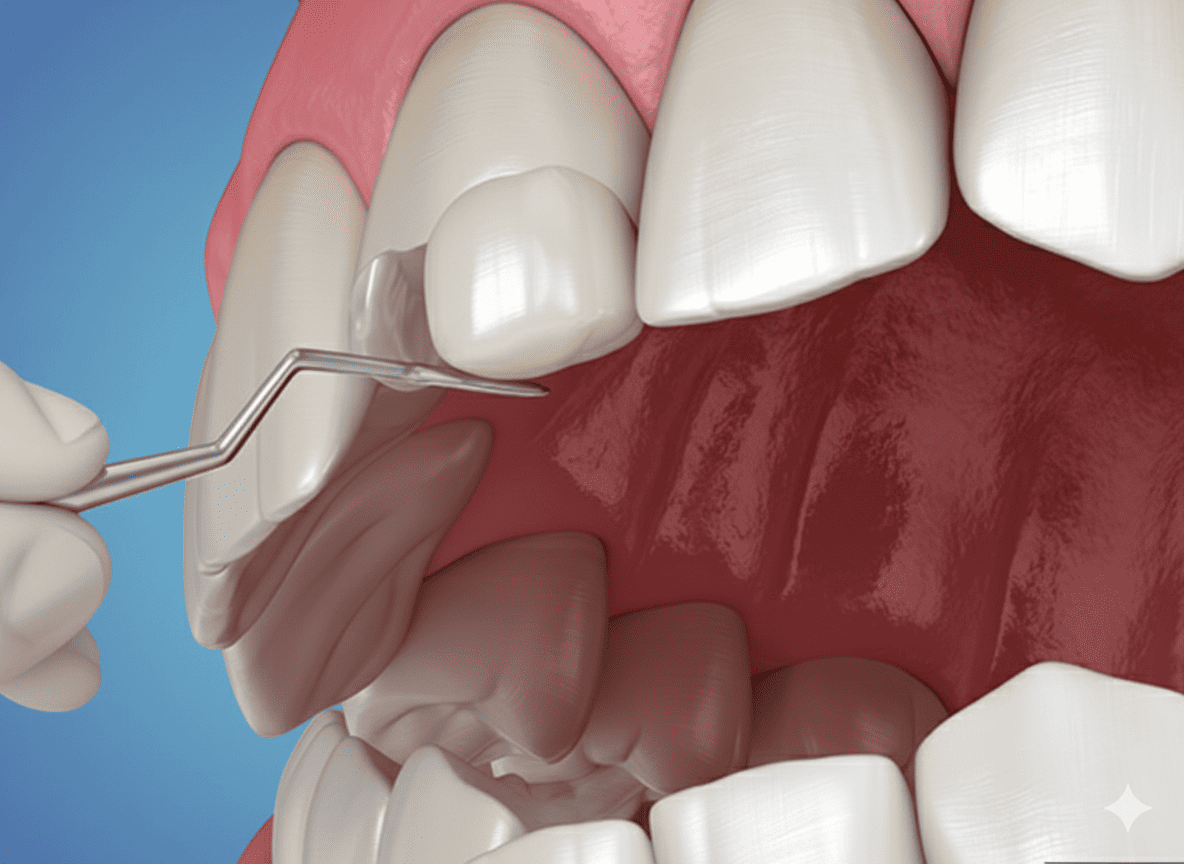
Composite bonding uses a tooth-coloured resin applied directly to the tooth. To close a small gap, the dentist can add resin to one tooth or share the extra width across both, building a fuller, more balanced shape that narrows the visible space.
Because the material is shaped by hand, the result is tailored to your natural teeth. The goal isn’t just to fill a space — it’s to keep the teeth in proportion with the rest of your smile.
A bonding visit commonly includes:
- Choosing a shade that blends with your natural enamel
- Gently preparing the tooth surface where needed
- Building the composite up in fine layers
- Shaping the edges to suit your smile
- Polishing the restoration to a smooth, natural finish
Treatment is often done in one appointment. Unlike braces, bonding doesn’t move teeth; it changes the shape of the teeth beside the gap to disguise it. That works well for minor gaps, narrow-looking teeth, uneven edges and small chips.
Bonding or Braces? Which Suits Your Gap
Bonding tends to suit people whose teeth are generally straight and whose gap is small and stable. Some adults simply don’t want months of orthodontics for a subtle change in tooth shape, and for them bonding offers a natural-looking improvement without shifting the teeth.
Orthodontic treatment (braces or clear aligners) may be the better route when:
- The gap is wide or getting larger
- Teeth are crowded, twisted or poorly positioned
- Your bite needs correcting
- Tooth movement is needed for a balanced result
- The gap is linked to teeth that are still shifting
Braces and aligners play a different role: they move teeth and can handle wider gaps, crowding, rotation and bite problems. If a gap has opened up because teeth have drifted, bonding alone may not address why it formed — and sometimes a little orthodontic movement followed by bonding gives the nicest result. At our Surbiton practice we offer Invisalign and the full range of braces, so we can talk through either path.
How Much Does Composite Bonding Cost?
Cost is usually the first question. Composite bonding is priced per tooth, and because a gap is normally closed by bonding the two teeth either side, that’s the figure most people care about.
| Scenario | ConfiDental Clinic | Notes |
|---|---|---|
| One tooth | £295 | Single-tooth reshaping or a small chip (more in central London) |
| A small gap (usually two teeth) | £500-£600 | A gap is normally bonded on the two teeth either side of it |
| Future repair or polish | £100 per tooth | Occasional upkeep as bonding wears or picks up stain |
Composite bonding for appearance is a private, cosmetic treatment — it is not available on the NHS, though a composite repair your dentist judges clinically necessary (such as a broken tooth) may fall under an NHS band. At our Surbiton practice we give a clear, itemised quote at your consultation so you know exactly what’s involved before deciding.
How Long Does Composite Bonding Last?
With good care, composite bonding typically lasts around five to seven years before it needs refreshing. The resin can chip or wear over time, especially if you bite hard foods or grind your teeth, and it may gradually pick up stain from coffee, tea and red wine. The upside is that bonding is easy to maintain: small chips can often be polished or repaired chair-side rather than replaced, and worn bonding can be renewed. If you clench or grind, your dentist may suggest a night guard to protect the bonded edges.
Composite Bonding vs Veneers for Gaps
Many people weighing up how to close a gap also consider porcelain veneers. Both can improve a smile, but they work differently. Bonding adds tooth-coloured resin directly and is shaped in one visit, usually with no enamel removed, which keeps it conservative and reversible. Veneers are thin porcelain shells made in a lab and bonded on; they last longer and resist staining better, but need a thin layer of enamel removed and cost more. For a single small gap, bonding is often the quicker, more affordable and more conservative choice.
| Feature | Composite bonding | Porcelain veneers |
|---|---|---|
| Cost per tooth | £250–£400 | £500–£1,500 |
| Appointments | One, same day | Two to three |
| Enamel removal | Usually none | A thin layer removed |
| Lifespan | ~5–7 years | ~10–20 years |
| Reversibility | Reversible | Not reversible |
| Repairs | Easy, chair-side | Usually full replacement |
What Your Dentist Will Check First
Before any bonding, your dentist needs to understand why the gap is there. Size matters, but so do tooth proportions, gum health, enamel condition and how your teeth meet when you bite.
Healthy gums and teeth make a better base for cosmetic work, so decay, gum disease, tooth wear, grinding or an unstable bite are usually managed before bonding. Smile design matters too: adding resin to just one tooth can make it look too wide, so sharing the change across both teeth either side of the gap often gives a more even result. And if you are considering whitening, it is best to do it before bonding — composite does not lighten the way natural enamel does, so matching the shade afterwards helps the finished teeth blend.
Caring for Bonded Teeth
Composite can look very natural when it is looked after. Good daily care protects both the bonded area and the tooth beneath, and regular hygiene visits let the team keep an eye on your gums and the bonding. Simple habits help:
- Brush twice a day with fluoride toothpaste
- Clean between your teeth every day
- Avoid biting nails, pens or other hard objects
- Don’t use your teeth to open packaging
- Keep up regular dental and hygiene appointments
Cutting back on staining drinks, or rinsing with water after them, helps the bonding stay bright between polishes.
Frequently Asked Questions
How much does composite bonding cost to close a gap?
A gap is usually bonded on the two teeth either side, so as a guide you’re looking at roughly £300–£800, based on typical UK per-tooth prices of £150–£400 (more in central London). We confirm an exact, itemised price at your consultation.
How long does composite bonding last?
Around five to seven years with good care. It can chip, wear or stain over time, but is easy to repair or polish chair-side rather than replace.
Does composite bonding hurt?
Usually not. For simple gap-closing bonding there is often no drilling and no need for anaesthetic, so most people find it comfortable and leave the same day.
Is composite bonding reversible?
Largely, yes. Because little or no enamel is removed, bonding is far more conservative and reversible than veneers, which need a layer of enamel taken away.
Composite bonding or veneers — which is better for a gap?
For one small gap, bonding is usually quicker, cheaper and more conservative. Veneers last longer and resist stains better but cost more and remove some enamel. The right choice depends on your teeth and goals.
Will bonding stain like natural teeth?
Composite can pick up stain from coffee, tea, red wine and smoking over time. It doesn’t whiten with whitening gel, so any whitening is best done first — then good daily cleaning keeps it looking fresh.
Is composite bonding available on the NHS?
Cosmetic bonding to close a gap is a private treatment, not available on the NHS. Composite used to repair a tooth for clinical reasons may be provided under an NHS band where your dentist judges it necessary.
Refine Your Smile With a Conservative, Natural-Looking Option
A small gap doesn’t always mean braces. When your teeth, gums and bite are healthy, composite bonding can even out your smile conservatively and quickly; for wider spaces or alignment concerns, tooth movement may be the better answer. An assessment is the way to know which fits you.
At ConfiDental Clinic, we create natural-looking results that enhance your smile while preserving healthy tooth structure. Discover how composite bonding in Surbiton can address gaps, chips and uneven edges with a tailored plan. Contact us to arrange a consultation. Closer to Wimbledon or Mitcham? Read our guide to composite bonding for gaps in Morden.
Can Composite Bonding Close Small Gaps Without Braces? A Morden Guide
Can composite bonding close a small tooth gap without braces? How it works in Morden, what it costs, how long it lasts, bonding vs veneers and FAQs.
Braces in Surbiton: Your First Orthodontic Assessment, NHS and Private Options
Considering braces in Surbiton? What happens at your orthodontic assessment, NHS eligibility and waiting times, private options like Invisalign, and costs.
Retainer Care and Replacement Costs in Surbiton
Learn about retainer replacement costs, wear schedules and long-term care following private orthodontic treatment in Surbiton to protect your straighter smile