
Braces in Surbiton: Your First Orthodontic Assessment, NHS and Private Options
A first orthodontic assessment helps you understand whether your teeth and jaws might benefit from treatment. It is a chance to talk through your concerns, learn what the clinician is looking for, and find out what could happen next — with no pressure to make a decision on the day. Adults and children are equally welcome, and you do not need any answers before you arrive; bringing your questions is the perfect start.
People often raise crowded teeth, gaps, protruding teeth, bite problems or areas that are hard to keep clean. We offer both NHS and private orthodontics in Surbiton, so this guide walks through what the appointment covers, the records the clinician may take, how NHS eligibility and waiting times work, the private options and roughly what they cost, and how to prepare so you get the most from your visit.
What Your First Assessment Covers
Your assessment usually opens with a relaxed conversation. The dentist or orthodontic clinician will ask what you have noticed, whether anything is uncomfortable and what you would like to change, and will review your medical and dental history, since these details can affect planning.
Next comes an examination of the teeth, gums, bite and jaw position. The clinician looks at how your upper and lower teeth meet, whether teeth are crowded or spaced, and — for younger patients — whether adult teeth are still developing. They may also check whether any dental care is needed before orthodontics begins, because healthy gums and clean teeth give braces or aligners a better foundation.
Braces or Aligners? The Options an Assessment Explores
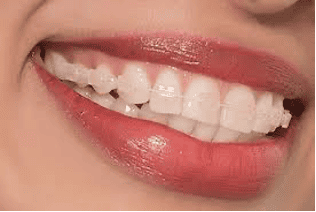
Part of the assessment is talking through which type of appliance might suit your teeth, your goals and your routine. In broad terms, the main options are fixed braces — metal or the less-noticeable tooth-coloured ceramic — and removable clear aligners such as Invisalign. Fixed braces handle the widest range of cases, including more complex bite corrections, while clear aligners are discreet, come out for meals and suit many mild to moderate cases.
There is rarely a single “right” answer; it depends on what needs moving and how. The clinician’s job at the assessment is to set out the choices honestly so you can weigh appearance, comfort, convenience and cost.
NHS or Private? Eligibility, Waiting Times and Costs
Cost and timing shape the decision, and both depend on whether NHS treatment applies. NHS orthodontics is free for under-18s who meet a clinical-need threshold, assessed using the Index of Orthodontic Treatment Need (IOTN) — broadly a score of 3.6 or above. Every under-18 can have an NHS assessment, but the orthodontist makes the final eligibility decision, so it cannot be promised in advance. Where teeth are straightened mainly for appearance, or for adults, treatment is almost always private. Here is how the options compare:
| Option | ConfiDental Clinic Fees | Good to know |
|---|---|---|
| NHS braces (eligible under-18s) | Free | Metal braces only; clinical need assessed by the IOTN; long waiting list (currently two to three years) |
| Metal fixed braces (private) | £1,500–£3,800 | Reliable and cost-effective; suitable for all ages and most cases |
| Ceramic braces (private) | £2,000–£4,500 | Tooth-coloured brackets that are far less noticeable |
| Clear aligners / Invisalign (private) | £1,800–£3,750 | Removable and discreet; ideal for mild to moderate cases |
| Lingual braces (private) | up to £7,000 | Fitted behind the teeth, so effectively hidden |
Our Surbiton practice offers both routes. We hold an NHS orthodontic contract, so eligible under-18s can join our NHS waiting list — but that list is currently two to three years, and a teenager who turns 18 while waiting loses NHS eligibility. Because of the wait, many families choose to begin privately for a faster, more flexible start. At Surbiton we offer the full private range — metal, ceramic and lingual (behind-the-teeth) braces, as well as clear aligners such as Invisalign — with payment plans to spread the cost. At your assessment we will explain both options honestly, so you can decide what suits your family.
Understanding X-Rays, Photos and Digital Scans
Orthodontic planning relies on accurate records. Depending on your needs these may include dental X-rays, photographs and impressions or digital scans, each giving the clinician a different view of your teeth and bite. X-rays reveal detail hidden below the gums — tooth roots, developing or missing adult teeth, bone levels and teeth that have not yet come through — and are only taken when clinically appropriate, following established safety procedures. Photos and scans record how your teeth sit and how your bite closes, which makes comparing treatment choices far clearer.
These records help with:
- Planning an appliance that suits your mouth and bite
- Identifying any dental work needed beforehand
- Explaining what changes treatment may aim to achieve
- Monitoring tooth movement over time
- Keeping a clear record of the starting position
Some records may be taken at the first visit, while others are arranged after the clinician has completed the initial examination.
How Your Treatment Plan Takes Shape
Once the examination and records are reviewed, the clinician can explain whether orthodontic treatment is recommended, which appliance could suit you, and whether any preparatory dental care is needed first. This is a good moment for practical questions — the likely length of treatment (commonly 12 to 24 months, though mild cases can be quicker), how often reviews are needed, how to care for your teeth during treatment, and whether any foods should be avoided.
Ask about retainers too. Teeth naturally drift back towards their old positions, so a retainer is a standard part of holding your result once active treatment ends. Treatment choices and arrangements should always be explained clearly before you decide how to proceed.
How to Prepare for Your Assessment
A few notes beforehand make the conversation easier. Parents can jot down details for their child, and adults can keep a short list on their phone. Be open about anything that could affect planning, even if it seems unrelated to the teeth.
Helpful information includes:
- Current medicines, allergies and medical conditions
- Previous dental treatment or past orthodontic care
- Recent dental pain, emergency treatment or sensitive teeth
- Concerns about grinding, jaw discomfort, speech or missing teeth
- Problems cleaning crowded areas or delayed adult teeth
Please arrive with clean teeth and keep brushing twice a day with fluoride toothpaste — good brushing matters before and during orthodontic care, because brackets, wires and aligners create places where plaque can gather. If gums are sore or bleeding, or there has been recent toothache, mention it. It also helps to share your goals honestly: some people mainly want to change how their teeth look, others want help with biting, cleaning or comfort. There is no wrong reason to ask.
Frequently Asked Questions
What happens at a first orthodontic assessment?
A relaxed chat about your concerns, an examination of your teeth, bite and jaws, and sometimes X-rays, photos or scans. The clinician then explains whether treatment is recommended and which options might suit — with no obligation to proceed.
Does my child qualify for NHS braces?
NHS braces are free for under-18s who meet a clinical-need threshold, scored using the IOTN (broadly grade 3.6 or above). Every under-18 can have an NHS assessment, but the orthodontist makes the final decision. Below that threshold, treatment is considered cosmetic and is not NHS-funded.
How long is the NHS wait for braces?
NHS orthodontics is free for eligible under-18s, but waiting lists are long — currently two to three years locally. Because eligibility ends at 18, a teenager can age out while waiting, which is why many families choose to start privately for a faster, more flexible start.
Can adults get braces on the NHS?
Only rarely — NHS orthodontics is not usually available to adults except for severe functional or surgical cases. In practice, adult orthodontics is almost always private.
How much do private braces or aligners cost?
As a guide, metal braces are around £1,500–£3,800, ceramic £2,000–£4,500, clear aligners such as Invisalign from about £1,800, and lingual (behind-the-teeth) braces up to around £7,000. Payment plans are often available.
Braces or Invisalign — which is better?
Both straighten teeth effectively. Fixed braces cover the widest range, including complex cases, while clear aligners like Invisalign are removable and discreet and suit many mild to moderate cases. Your assessment will advise which fits your teeth and routine.
Do I need a referral for an assessment?
For private orthodontics you can usually book an assessment directly. For NHS treatment, your regular dentist refers your child for an NHS orthodontic assessment, after which eligible patients join the NHS waiting list.
Will I need a retainer afterwards?
Yes. Teeth tend to drift back after treatment, so a retainer is a standard part of protecting your result — your clinician will explain the type and how long to wear it.
Achieve a Healthier, More Confident Smile
An early assessment can spot developing orthodontic concerns and give you a clearer plan — whether treatment is needed soon, later, or not at all. Bring your medical information, a list of questions and an honest description of your goals, and you will leave with a much better understanding of your options.
At ConfiDental Clinic, we provide clear guidance and personalised orthodontic care in a calm, supportive setting, with both NHS and private routes. Whether you would like to join our NHS waiting list or explore a faster private start, discover your options for braces in Surbiton — from fixed braces to clear aligners such as Invisalign. To book an assessment or discuss your needs, please contact us today.
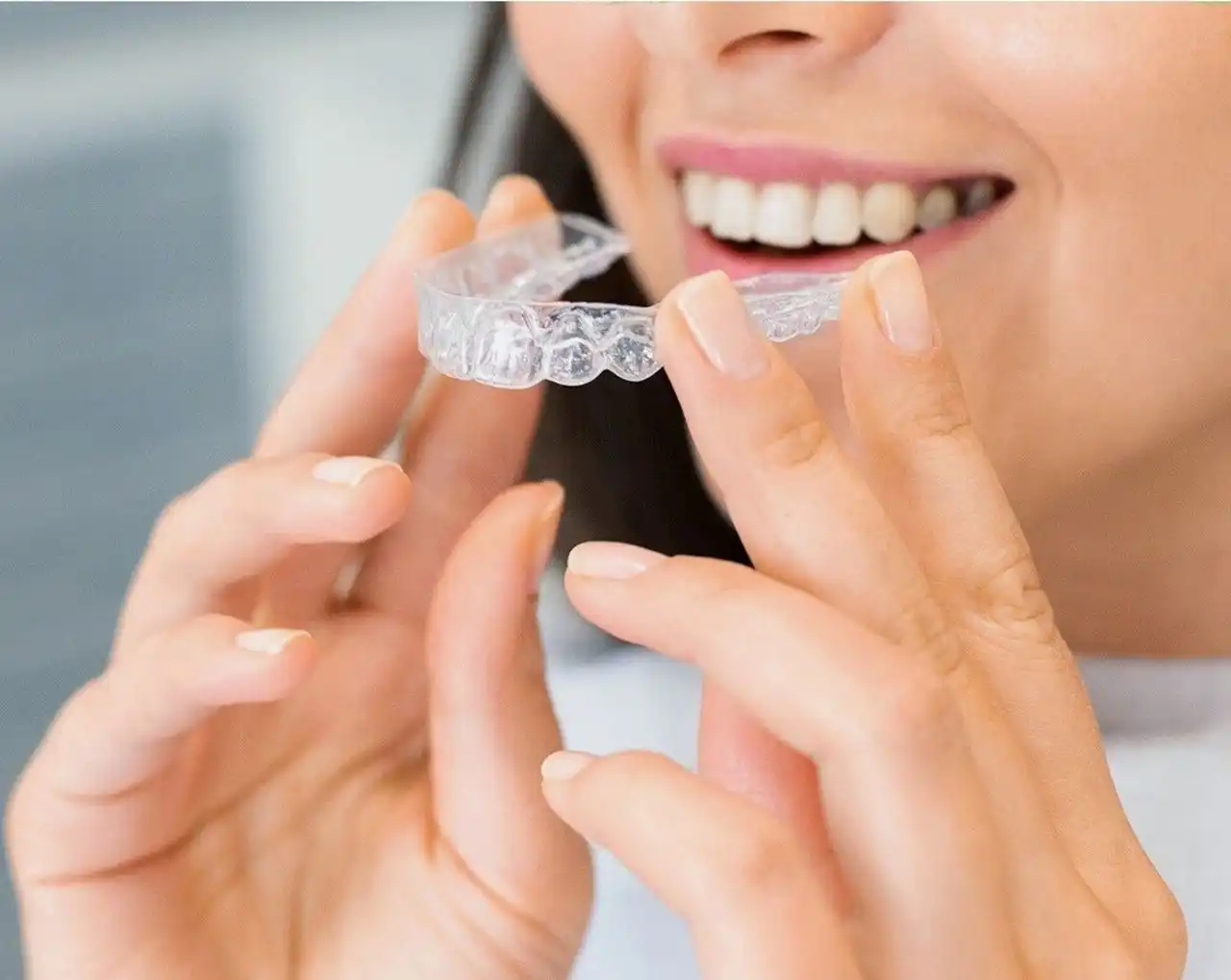
Retainer Care and Replacement Costs in Surbiton
Learn about retainer replacement costs, wear schedules and long-term care following private orthodontic treatment in Surbiton to protect your straighter smile
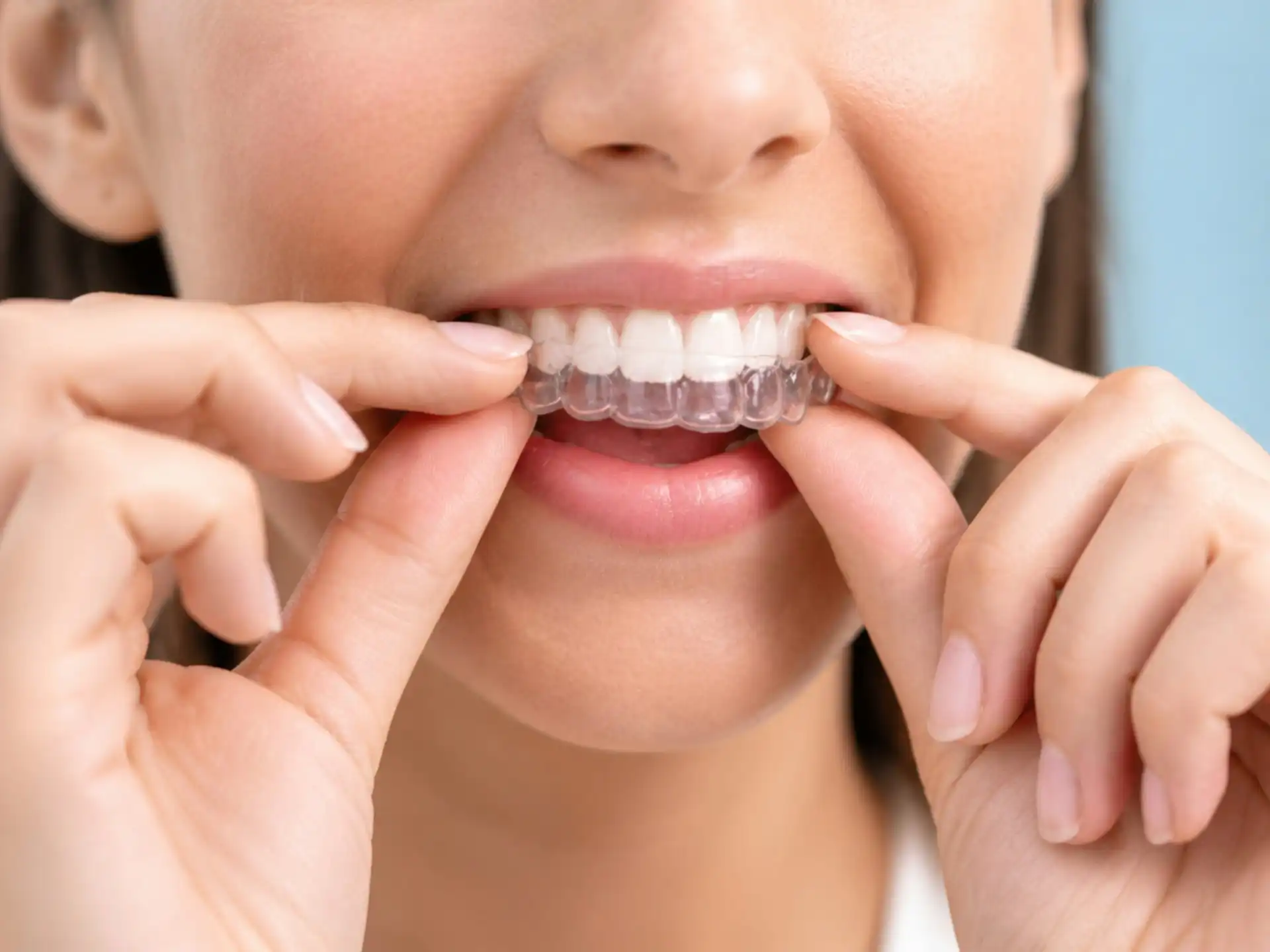
Invisalign in Surbiton for Busy Adults: Cost, Timeline and Mild Crowding
How Invisalign works for busy adults in Surbiton with mild crowding — costs, treatment time, Invisalign vs braces, comfort and FAQs. Book a free consultation.
A Busy Adult’s Guide to Clear Aligners in Surbiton and Morden
Discover whether Invisalign in Surbiton can fit around a busy schedule, with discreet treatment options for adults with mild crowding and more