
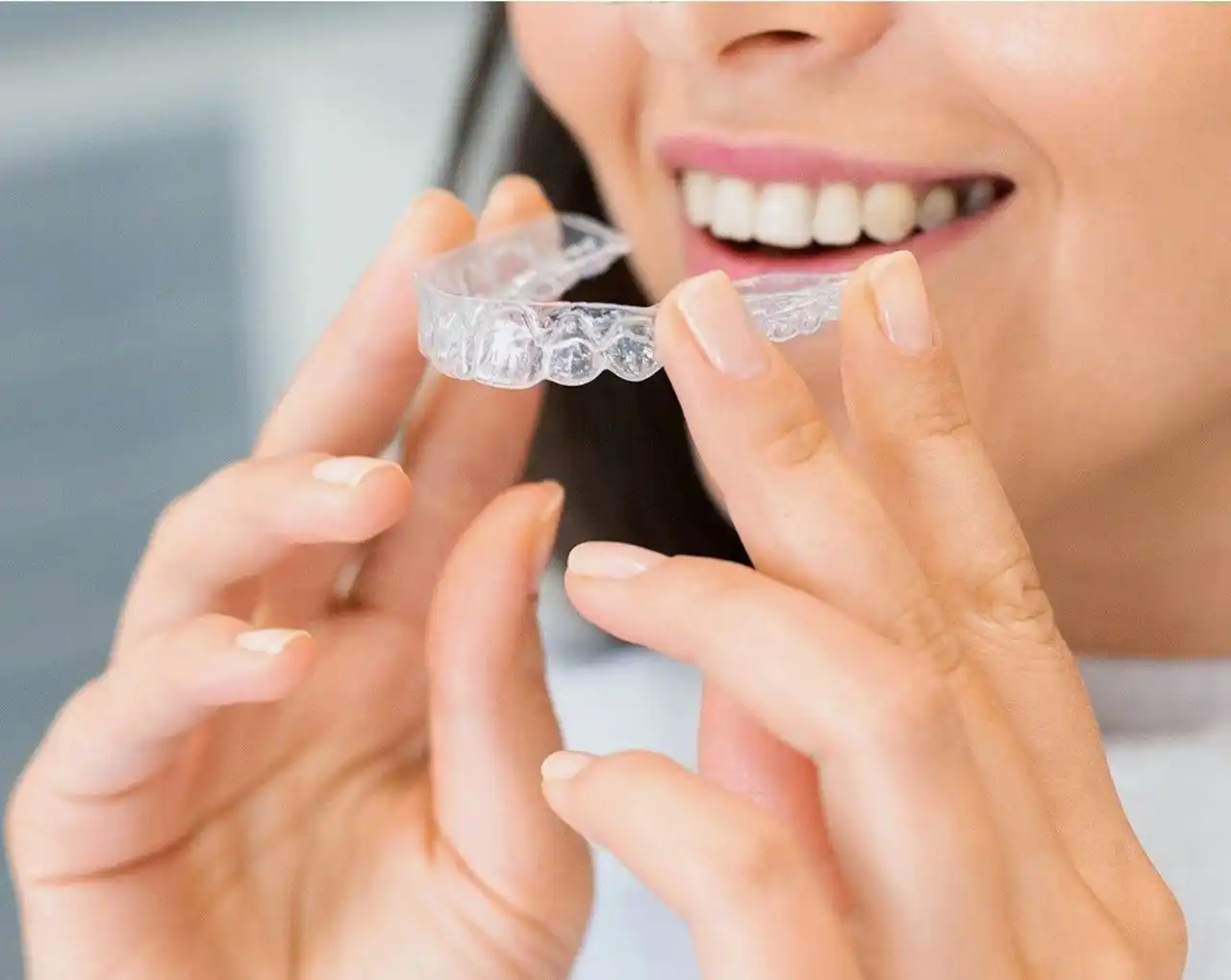
Invisalign Habits That Keep Treatment on Track in Surbiton
Invisalign fits neatly around a busy life — but because the aligners come out for meals and cleaning, the results depend on you putting them back in. The good news is that staying on track isn’t about willpower; it’s about a few small habits that quickly become automatic.
If you’re wearing clear aligners in Surbiton, this guide covers the habits that matter most: how long to wear them, how to keep them clean, what you can eat and drink, and what to do when an aligner feels tight or goes missing.
The 20–22 Hour Rule — and Why It Matters
Most people are asked to wear their aligners for around 20 to 22 hours a day, taking them out only for meals and cleaning. This is the single biggest factor in whether treatment stays on track, because teeth only follow the planned movements when the aligners are actually in.
Taking them out for meals and a quick clean is completely normal — it’s the long, unplanned breaks that cause problems. An hour here and there while you finish a coffee or forget to put them back after lunch adds up quickly across a day.
If you regularly fall short, teeth can stop keeping pace with the plan — the aligners no longer fit as they should, progress slows, and you may need extra aligners (a “refinement”) or to drop back a stage to catch up. The habits below make hitting your hours far easier.
Everyday Habits That Protect Your Wear Time
Clear aligners are designed to fit around real life, not take it over. A little planning protects your wear time and saves the stress of a missing aligner:
- Keep your aligners in their case whenever they’re not in your mouth — never wrapped in a tissue or napkin, the easiest way to bin them by accident
- Carry a small kit — case, travel toothbrush, toothpaste and floss — in a work bag or handbag
- Set a phone reminder after meals if you tend to forget to put them back in
- Give yourself clear meal and snack times; constant grazing means more time with aligners out
- Keep a spare case somewhere you use often, such as the car or a coat pocket — a bright one is easy to spot
Keeping Your Aligners Clean and Fresh
Clean aligners feel better, look clearer and keep your mouth healthier. A simple routine does the job:
- Rinse your aligners in cool or lukewarm water each time you take them out — never hot water, which can warp the plastic and ruin the fit
- Clean them gently with a soft brush and a product your dental team recommends; ordinary toothpaste can be too abrasive and scratch the plastic, making it cloudy
- Brush and floss before putting aligners back in after eating, so you’re not sealing food and sugar against your teeth
- Store them in their case to dry, not in the open where they can be lost or damaged
What You Can Eat and Drink in Your Aligners
The rule is simple: take your aligners out to eat, and for any drink other than plain water. Water is the only thing that’s safe to drink with them in, because:
- Hot drinks (tea, coffee) can soften and distort the plastic
- Coffee, tea, red wine and other coloured drinks stain clear aligners
- Fizzy and sugary drinks leave sugar trapped against your teeth under the aligner
- Chewy or sticky foods can pull at or damage the aligners
If you want a treat, enjoy it as part of a planned meal or break rather than grazing through the day — that way you remove and reinsert the aligners once, with a chance to clean your teeth in between, instead of a dozen times.
Troubleshooting: Tight, Loose, Lost or Cracked Aligners
A few situations come up for almost everyone. Here’s what they usually mean and what to do:
| Situation | What it may mean | What to do |
|---|---|---|
| A new tray feels tight or sore | Normal at the start of each stage | Mild pressure for two to three days is expected; use chewies to seat the aligner and take over-the-counter pain relief if needed. Call us if it doesn’t settle. |
| The aligner won’t seat fully (a visible gap) | Teeth aren’t quite tracking, or wear time is too low | Use chewies and check you’re hitting 20–22 hours. If a gap remains after a few days, contact us — don’t force it. |
| You lose or crack an aligner | — | Go back to your previous aligner straight away to hold your progress, keep the next set safe, and call us. Don’t skip ahead to the next tray. |
| The aligner feels loose | Teeth may have moved as planned — or you’ve under-worn it | Near the end of a stage this can be normal. Only move to the next set when your dentist tells you to. |
A small accessory called a chewie — a soft roll you bite on for a few minutes — helps aligners seat fully against your teeth, which is especially useful with a new, tight tray. Your dental team can show you how to use one.
Stick to the Schedule — and Keep Your Reviews
Each aligner has a job to do, so only move to the next set when your dentist tells you to, even if the current one feels loose or comfortable early. Regular reviews let the team check your teeth are tracking, answer questions and confirm when to progress — keeping these appointments is one of the simplest ways to avoid delays.
It’s also worth knowing the finish line comes with a retainer. Teeth naturally drift back towards their old positions, so once active treatment ends a retainer holds your result — skipping it is the most common way people lose the smile they worked for. Your dentist will explain the type and how long to wear it.
Frequently Asked Questions
How many hours a day do I need to wear Invisalign?
Around 20 to 22 hours, taking them out only for meals and cleaning. The more consistent you are, the more reliably your teeth track the plan — wear time is the biggest factor in staying on schedule.
What happens if I don’t wear my aligners enough?
Teeth stop keeping pace with the plan, so the aligners no longer fit properly. Treatment slows, and you may need extra aligners (a refinement) or to go back a stage to catch up.
Can I drink coffee or tea with my aligners in?
It’s best to take them out. Hot drinks can warp the plastic and coffee, tea and red wine stain it. Water is the only drink that’s safe with aligners in — rinse and reinsert after other drinks.
How do I clean my aligners?
Rinse in cool water and clean gently with a soft brush and a product your dentist recommends — not hot water or abrasive toothpaste, which damage the plastic. Brush your teeth before putting them back in.
Does it hurt to change to a new aligner?
A new tray often feels tight for two to three days as it starts moving your teeth; this is normal and settles. Chewies help it seat, and over-the-counter pain relief helps if needed. Lasting pain is worth a call.
What should I do if I lose or break an aligner?
Go back to your previous aligner straight away to hold your progress, keep the next set safe, and contact us for advice. Don’t jump ahead to the next tray on your own.
Do I need a retainer after Invisalign?
Yes. Teeth tend to drift back after treatment, so a retainer is essential to keep your result — your dentist will explain which type and how long to wear it.
Keep Your Smile on Track With Expert Support
The right habits make Invisalign feel effortless — and if something doesn’t feel right, a quick word with your dental team saves far more time than struggling on alone.
At ConfiDental Clinic, we create tailored treatment plans and support you through every stage. Explore Invisalign in Surbiton to see whether clear aligners could suit your smile, or if you’re already in treatment and have a question, contact us — we’re happy to help. Closer to Mitcham or St Helier? Read our guide to Invisalign habits in Morden.
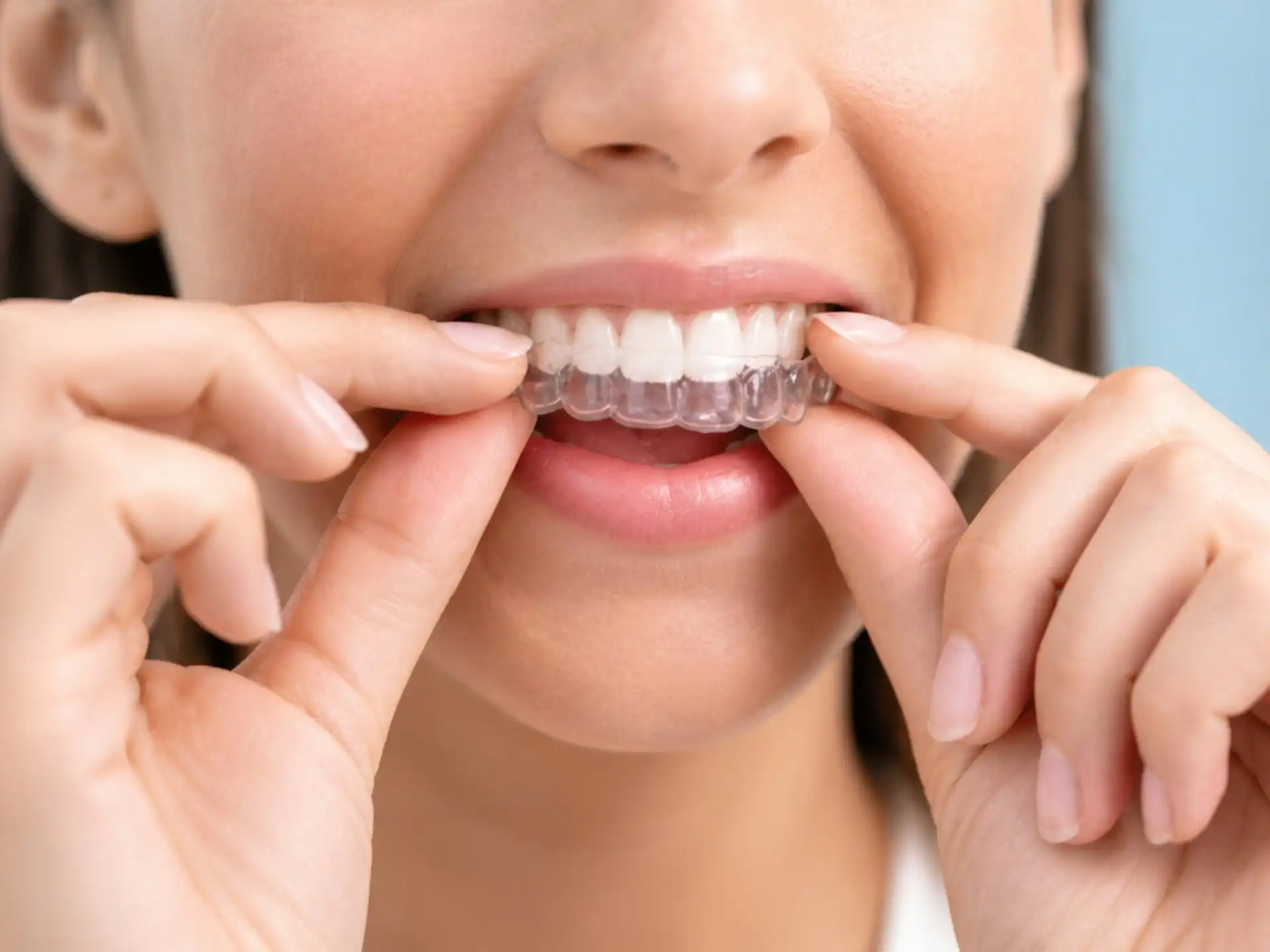
Invisalign Habits That Keep Treatment on Track in Morden
Simple Invisalign habits that keep treatment on track in Morden — wear time, cleaning, what to drink, fixing tight or lost aligners, and FAQs. Read the guide.
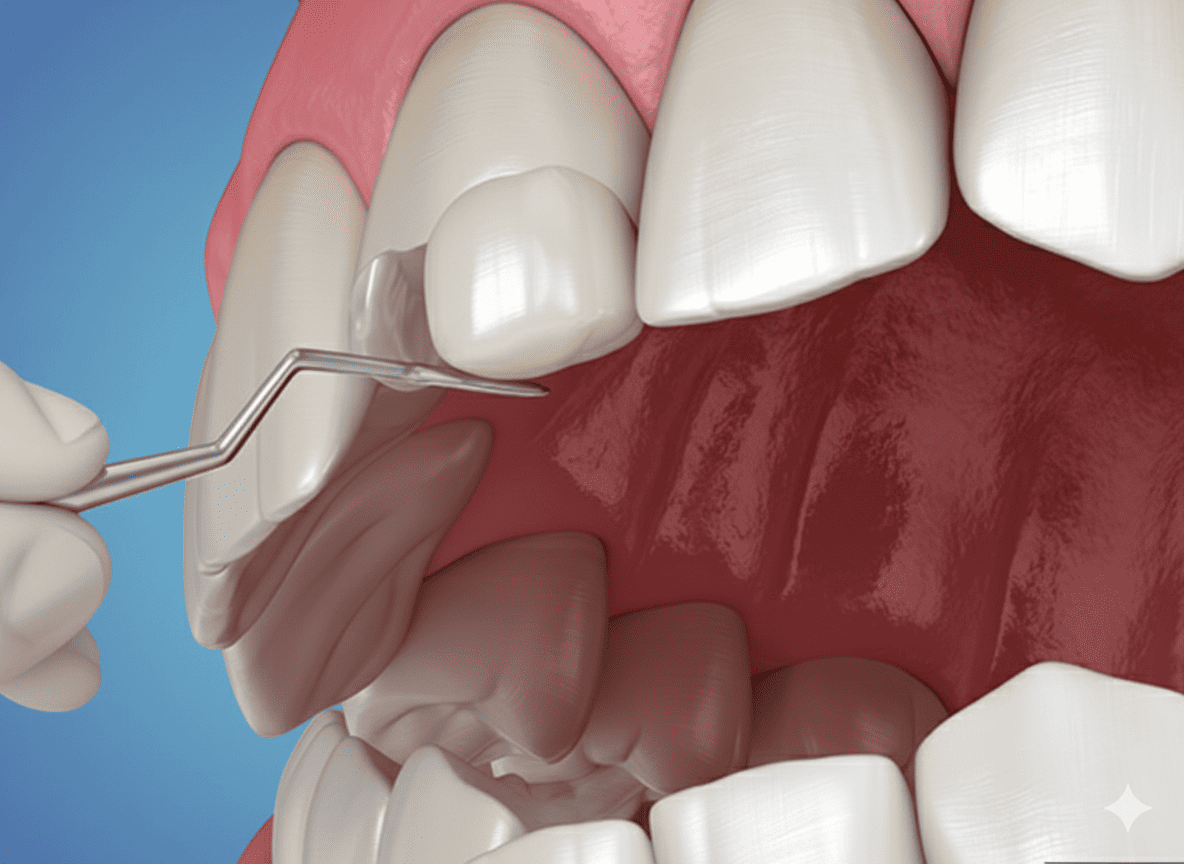
Can Composite Bonding Close Small Gaps Without Braces? A Surbiton Guide
Can composite bonding close a small tooth gap without braces? How it works in Surbiton, what it costs, how long it lasts, bonding vs veneers and FAQs.
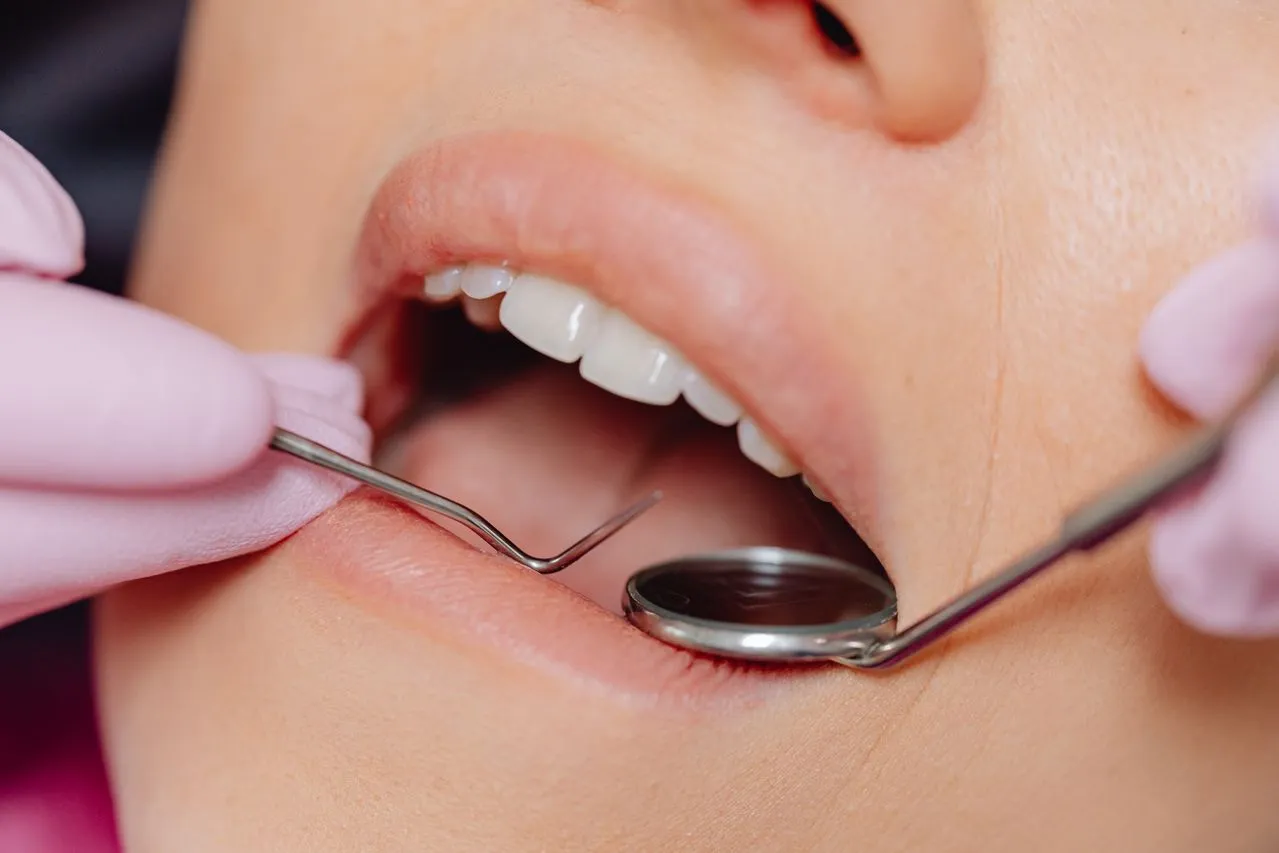
Can Composite Bonding Close Small Gaps Without Braces? A Morden Guide
Can composite bonding close a small tooth gap without braces? How it works in Morden, what it costs, how long it lasts, bonding vs veneers and FAQs.