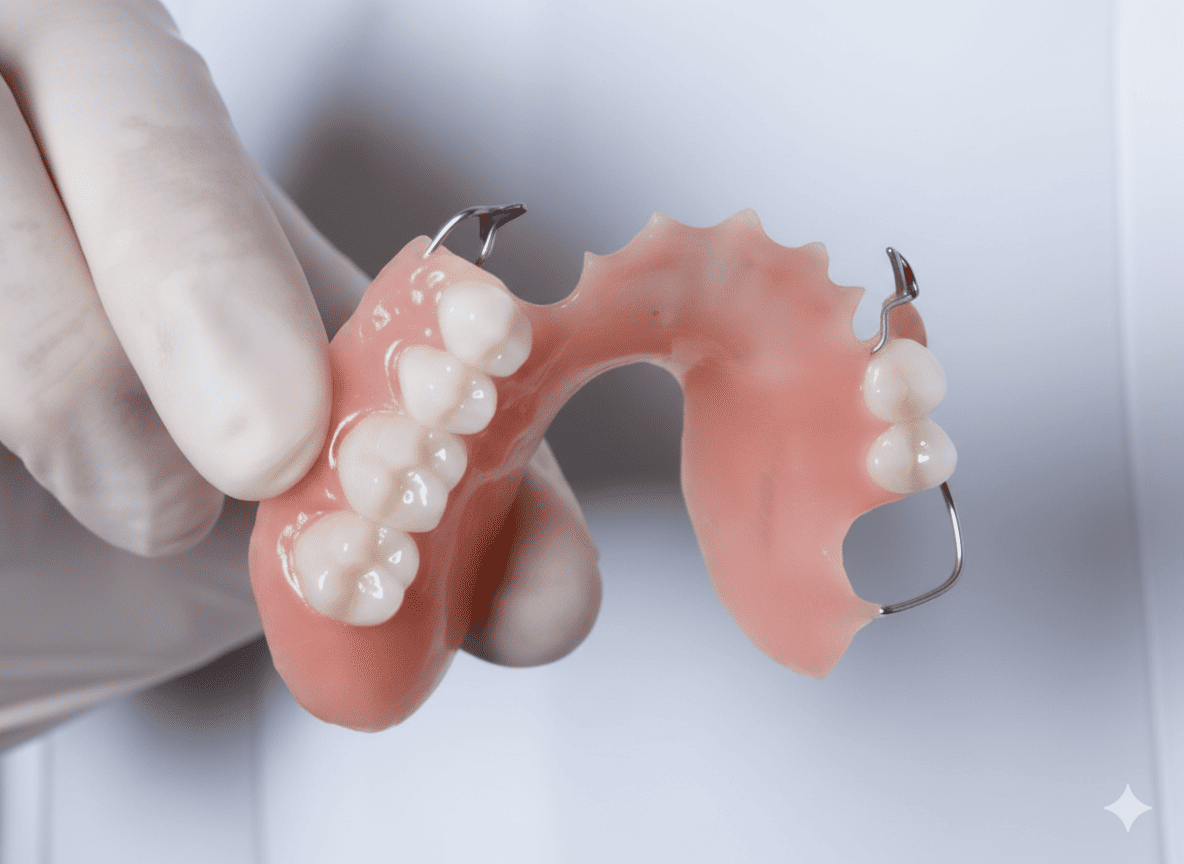
Loose Dentures in Morden: Causes, Treatment Options, Costs and Timelines
Loose dentures are hard to ignore. They slip when you talk, lift when you bite, and can rub sore patches on your gums. You might find yourself mumbling words, using more adhesive than before, or worrying that your teeth will move when you laugh. It can knock your confidence at work, at family gatherings and in social settings.
The good news is that loose dentures are almost always fixable. In this guide we explain why dentures become loose and compare every option available at a clinic in Morden — from denture adhesive and a professional reline, through to new dentures, mini implants and fixed All-on-4 implant bridges — with typical costs, timelines and who each option suits, so you can see what might work best for you.
Short on time? A quick reline can improve the fit of a good denture in a day or two; new dentures take a few weeks; and implant-based options give the most stability but need planning and healing time. The right choice depends on the condition of your denture, the state of your jawbone and your budget.
Why Do Dentures Become Loose Over Time?
After teeth are removed, the jawbone slowly shrinks — a natural process called bone resorption. The bone that used to hold the tooth roots is no longer under pressure, so it changes shape. Your dentures may fit well at first, but as the bone and gums shrink, small gaps appear underneath and the denture starts to rock or slide.
Lower dentures tend to loosen fastest, because the lower jaw resorbs more quickly than the upper and there is less surface area to grip. That is why so many people search for a way to keep a lower denture in place.
Other common reasons dentures loosen include:
- Worn denture teeth or acrylic, which changes how your bite meets
- Weight loss or gain that alters the soft tissues of your face and gums
- Health changes that affect your mouth, such as dry mouth (less saliva means less natural suction)
- Changes after recent extractions or earlier denture repairs
Signs It May Be Time to Have Your Dentures Reviewed
It may be time to review your dentures if you notice:
- New or frequent sore spots or ulcers on the gums
- Food getting stuck under the denture more often
- Needing more adhesive than before to keep them in
- Finding it harder to chew foods that used to be easy
- Feeling you must hold the denture in with your tongue or cheeks
A loose denture is not only uncomfortable — constant rubbing can inflame the gums (sometimes called denture stomatitis), so it is worth having it checked rather than struggling on. If any of these sound familiar, the fit and support of your denture, or your jawbone, has likely changed.
Option 1: Denture Adhesive (a Short-Term Fix)
Many people start with denture adhesive. It can help in the short term. Adhesives are pastes, creams or powders applied to the fitting surface of the denture for extra grip through the day.
Adhesive can be useful because it is:
- Easy to buy in local shops or pharmacies
- Handy for a one-off social event or holiday
- A confidence boost if the denture is only slightly loose
The downsides are that it can feel sticky or messy, needs cleaning off daily, and does not fix the shape of the denture or your gums. At around £3–£8 a tube every few weeks, the cost also adds up over time — and you may still feel movement. Adhesive is best thought of as a temporary aid rather than a solution.
Option 2: A Professional Reline or Repair
A reline is a more structural fix. The dentist adds new acrylic to the fitting surface so it matches your gums more closely, often within a day or a few days depending on the case and the laboratory. A repair restores a denture that is structurally sound but cracked or broken.
A reline is usually suitable when:
- You are happy with how your denture looks
- The teeth are not badly worn
- The acrylic is not cracked or very thin
Comfort and stability from a reline are usually much better than adhesive alone, because the base is reshaped rather than simply stuck down. As a guide, a private reline typically costs around £150–£300 and can extend the life of a denture by a couple of years; simple repairs are usually less. Most dentures benefit from a reline every two to three years as the gums change. If a denture is very worn, cracked or has been repaired many times, a new denture may be the better-value choice.
Option 3: When It’s Time for New Dentures
Sometimes a denture has simply reached the end of its useful life. Signs that new dentures may be more appropriate than another repair include:
- Very flat, worn-down teeth that no longer bite properly
- A change in facial support, such as deeper lines around the mouth
- Repeated breakages or repairs in the same areas
- Big changes in the shape of your gums or jawbone
Having new dentures made at a Morden clinic usually involves a full assessment of your mouth, bite and current denture; impressions of your gums and jaw; a bite registration; a wax try-in to check appearance and speech; and a final fitting with follow-up adjustments. The process usually takes a few weeks.
New dentures are more of an investment than a reline but can improve chewing, speech clarity, facial support and comfort. On the NHS, a full or partial denture falls under a Band 3 course of treatment (£332.10 in England from April 2026); private dentures cost more but offer a wider choice of materials and a more customised, natural-looking result. Dentures should generally be replaced every five to eight years as the jaw continues to change.
Option 4: Implant-Supported Options for Lasting Stability
If you are tired of movement altogether, dental implants offer far more stability. Implants are small titanium posts placed in the jawbone; once healed, they can hold a denture firmly or support a fixed bridge. There are three main routes:
- Mini implants: slimmer implants, often placed in larger numbers under a lower denture. The procedure is usually less invasive, the denture clips on and off for cleaning, and the fitting can often be done quickly — a cost-effective way to stabilise an existing lower denture.
- Conventional implant-retained (removable) dentures: wider implants, usually two to four in the lower jaw or four or more in the upper, with clips or a bar so the denture snaps securely into place but still lifts out for cleaning.
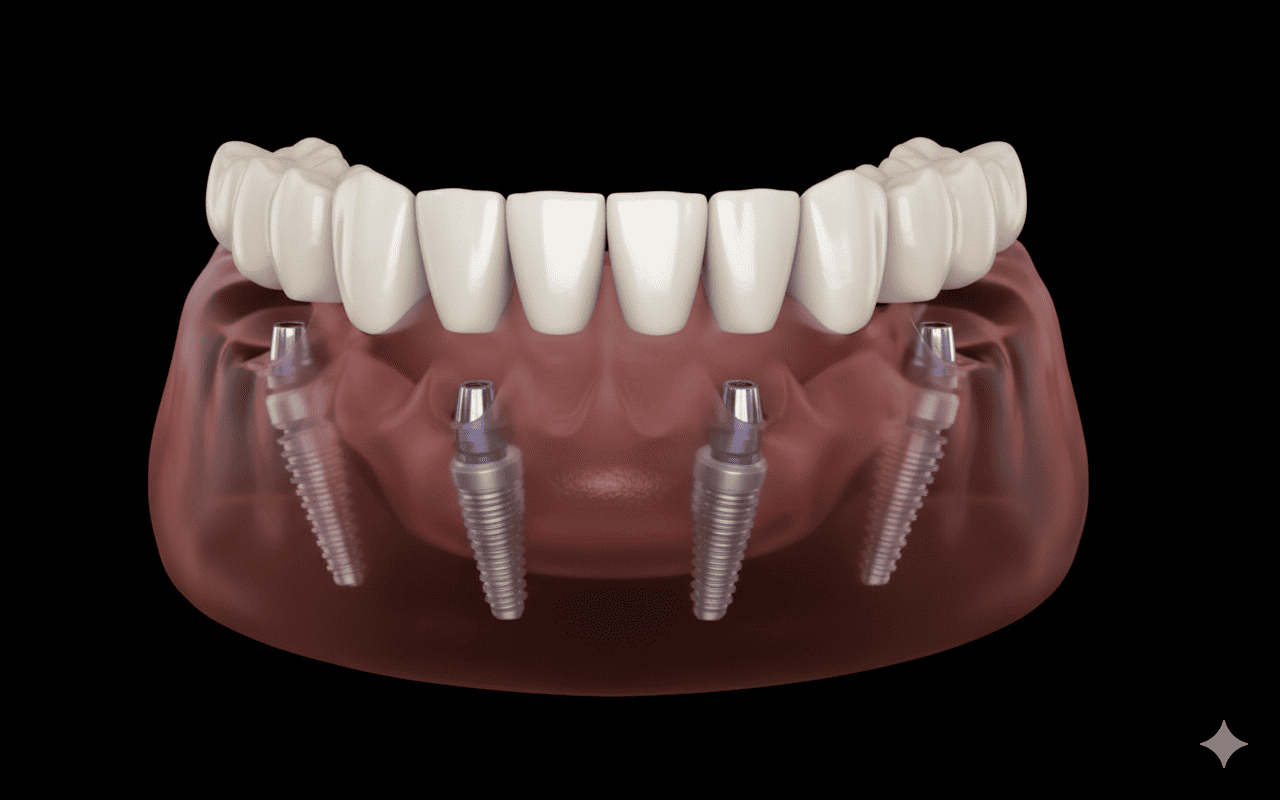
- All-on-4 implants: four or more implants per jaw support a fixed bridge instead of a removable plate. Many people say it feels closest to having natural teeth again.
All-on-4 (also written All-on-Four) has some clear differences from a removable denture:
- The bridge is fixed in place and does not come out at home
- The upper design is often slimmer, without a full palate plate
- It is frequently a “graftless” solution — the angled implants make the most of available bone, so many patients avoid bone grafting even after years of denture wear
- Treatment runs through planning, surgery, healing and fitting, and a temporary fixed set of teeth can often be worn on the same day as surgery
Healing (osseointegration) usually takes a few months, so implant treatment always needs careful planning and a personal assessment.
How Much Does It Cost to Fix Loose Dentures?
Cost is usually the deciding factor, so it helps to see the options side by side. The figures below are typical UK private ranges for guidance only — your exact fee depends on your mouth, the materials chosen and how many implants you need. At ConfiDental Clinic, implant consultations are free and 0% finance is available, so you can spread the cost.
| Option | Typical UK cost (guide) | Timeline | Best for |
|---|---|---|---|
| Denture adhesive | ~£3–£8 per tube (ongoing) | Immediate | A slightly loose denture or a one-off event |
| Reline or repair | Reline ~£150–£300; repairs often less | Same day to a few days | A denture you’re happy with the look of |
| New dentures | NHS Band 3 £332.10; private from £850 per jaw | A few weeks | Worn, broken or ill-fitting old dentures |
| Mini implants (stabilising) | From ~£3000–£4,000 for a set | Often fitted quickly | Securing a loose lower denture affordably |
| All-on-4 / fixed bridge | £9950 per arch | Several months (temporary teeth same day) | The most stable, longest-lasting result |
When comparing, it is worth looking beyond the upfront price at the lifetime value. A more stable solution can let you eat a wider range of foods, reduce sore spots, cut the need for repeated relines or replacements, and restore day-to-day confidence. Over 10 to 15 years, the running cost of adhesives, relines and denture replacements can approach the cost of implants — without the same stability or bone-preserving benefit.
Are You a Candidate? What Your Dentist Will Check
Not everyone is suitable for every option. At your assessment, the dentist will look at:
- The quantity and quality of bone in your jaws
- Your general health and any medical conditions or medicines
- Whether you smoke
- The health of any remaining teeth and gums
- Your expectations, and whether you prefer a fixed or removable solution
A 3D scan is often used to plan implant treatment precisely. Even patients who have worn dentures for years and have some bone loss are frequently still candidates for All-on-4, thanks to its graftless approach — but only a personal assessment can confirm what is right for you.
Frequently Asked Questions
Why won’t my lower denture stay in?
The lower jaw shrinks faster than the upper after tooth loss, and a lower denture has less surface area and no palate to grip. As the bone changes shape, the denture loosens. A reline, mini implants or an implant-retained denture are the usual fixes.
Can loose dentures be fixed, or do I need new ones?
Often they can be improved without replacement — a reline reshapes the fitting surface, and implants can anchor a denture that keeps moving. New dentures are only needed if the current set is worn out, badly damaged or no longer looks right.
Can I get dentures or implants on the NHS?
Full and partial dentures are available on the NHS under Band 3 (£332.10 in England). Implant-retained dentures and All-on-4 are generally private treatments, offered on the NHS only in rare, specific medical circumstances.
Can I have implants if I’ve worn dentures for years and have bone loss?
Very possibly. All-on-4 is designed to make the most of available bone and is often graftless, so many long-term denture wearers are still suitable. A 3D scan at your consultation will confirm it.
Does fixing loose dentures hurt?
A reline or new denture is non-surgical and comfortable. Implant placement is done under local anaesthetic, with mild swelling or soreness for a few days afterwards that settles with ordinary painkillers.
How long does implant treatment take?
Implants usually need a few months to fuse with the bone before the final teeth are fitted, though a temporary fixed set can often be worn from the day of surgery with All-on-4.
How often should dentures be relined or replaced?
A reline every two to three years keeps the fit snug, and most dentures are replaced every five to eight years as the jaw continues to change shape.
Restore Your Confidence With Stable, Same-Day Teeth
Loose dentures do not have to limit what you eat, how you speak or how often you smile. Whether the answer is a quick reline, a fresh set of dentures or a fixed implant solution, the right option can make a real difference to your daily life.
If you are ready to replace missing or failing teeth with a fixed, natural-looking smile, our experienced team can help you explore All-on-four implants in Morden. At ConfiDental Clinic, we assess your needs carefully and explain each step so you know exactly what to expect. Book a free consultation to discuss whether this treatment is right for you, or simply contact us with any questions.
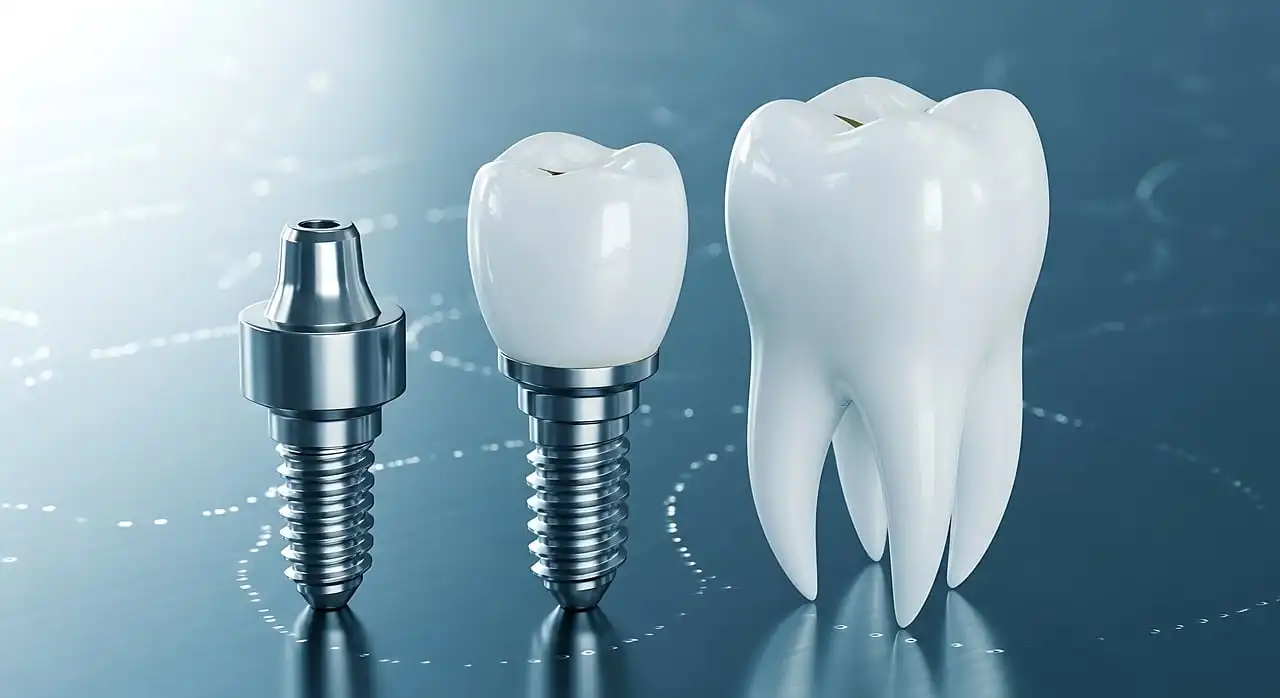
Teeth in a Day Implants in Morden: Who Is a Suitable Candidate?
Teeth in a Day implants in Morden explained — how same-day fixed teeth work, who is a suitable candidate, costs, timeline and FAQs. Book an implant consultation.
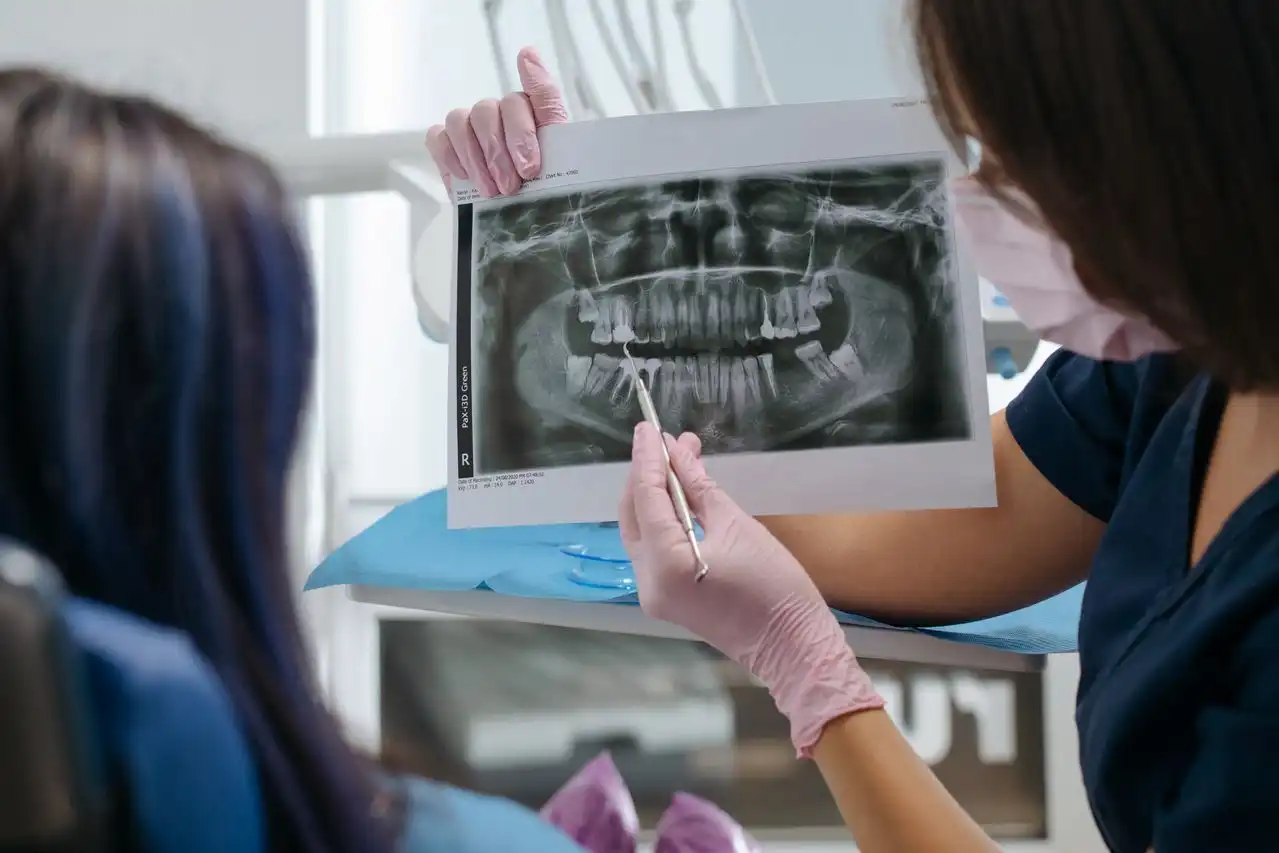
All-on-4 Dental Implants in Morden: Costs, Process, Longevity and FAQs
All-on-4 implants in Morden — fixed, same-day teeth on four implants. Costs, the step-by-step process, how long they last, recovery and FAQs. Book a free consultation.
All-on-4 Dental Implants: A Complete Guide & Recovery Tips
Learn the benefits, costs, aftercare and recovery for All-on-4 dental implants in Surbiton — what to expect from consultation to your new smile.