
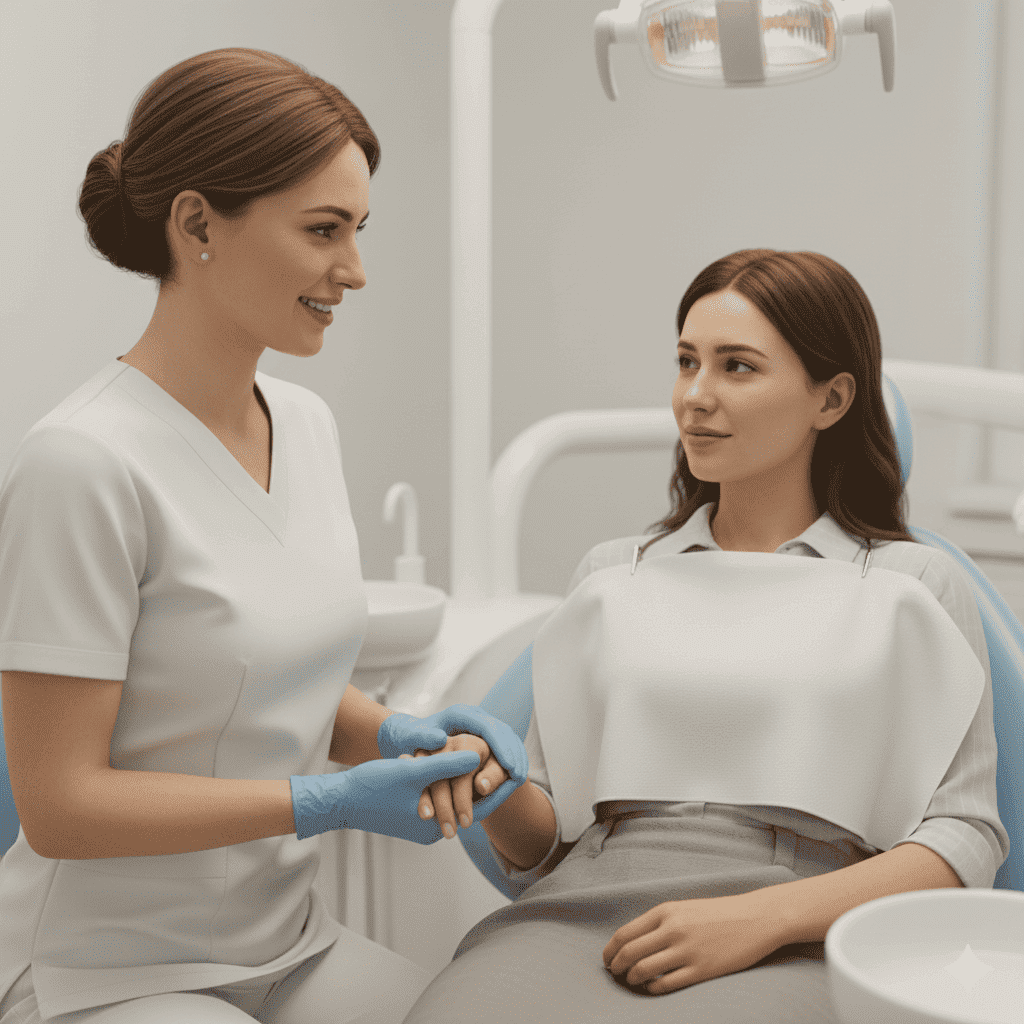
Dental Anxiety Help
Turn Dental Fear Into a Calm First Visit
Feeling anxious about seeing a dentist in Morden is very common, especially if you have not been for years. Many adults quietly put it off, telling themselves they will book when life is less busy, then feel even more nervous as time passes. If that is you, you are not weak or silly; your brain is just trying to protect you from a place it links with discomfort.
What can help is having a simple, calm visit plan so you know what will happen before, during, and after your appointment. Instead of hoping it will somehow feel OK, you give yourself steps, tools and phrases to lean on. Early summer can be a good time to start, with lighter evenings, fewer winter bugs and often a bit more flexibility for some families.
This guide is not about how to choose a dentist in Morden. We are focusing on what you can actually do once you have booked, so your first appointment feels safer, calmer and more predictable, even if you are very nervous right now.
Preparing for Your Visit Without Overthinking It
Preparation should make things easier, not feed worry. A good first step is to set one clear, realistic aim. For example, you might decide your goal is to have a check-up and X-rays only, or simply to meet the team, sit in the chair and agree a plan. When you know treatment does not have to happen that day, the pressure often drops.
Next, put together a small anxiety toolkit so you have comfort on hand. You could bring:
- Headphones and a favourite playlist or podcast
- A small item that soothes you, like a stress ball or smooth stone
- A jumper or cardigan if you often feel cold
- Lip balm or tissues if you tend to get dry lips or tearful
Think ahead about your journey to your dentist in Morden. Try to:
- Allow extra travel time so traffic or trains do not spike your stress
- Avoid racing straight from a rushed work meeting if you can
- Choose an off-peak time that feels quieter
- Arrange childcare so you are not worried about getting back
It also helps to decide in advance what you want to say. You can write a short script on your phone, such as: “I feel very anxious about dental work. I have had a bad experience in the past. Today I only want an exam and to talk about a plan.” Reading from this is fine, especially if speaking feels hard when you are on the spot.
What to Say and Ask at Your First Appointment
When you arrive, start with a calm introduction. At reception you might say, “I get quite nervous at the dentist, so I may need extra time.” When you meet the dentist, let them know how your body usually reacts, for example shaking, feeling tearful, getting a strong gag reflex or finding it hard to lie flat. Also say what tends to help, such as more explanations, slower pacing or regular breaks.
It can ease worry to have a few questions written down, so you do not forget them. Helpful questions for your first visit could include:
- What will happen today, step by step?
- Can I stop at any point if I feel overwhelmed?
- Which treatment really needs to be done first, and what can wait?
- Are there any options that mean fewer injections or less drilling?
- How long will each stage usually take?
Ask about comfort options too. You might want to know:
- If they use numbing gel before injections
- Whether smaller instruments are available
- If treatment can be split into shorter visits
- Whether the chair can be less flat if that makes you feel safer
Before any treatment starts, ask to go through the plan and the costs and to have it written down. Taking a written plan home lets you process everything later when you are calmer, instead of feeling pushed to decide on the spot.
Using Stop Signals and Comfort Cues During Treatment
One of the strongest ways to feel in control is to agree a clear stop signal before the chair goes back. A simple one is raising your left hand. Ask to rehearse it once with the dentist or nurse. When they pause as soon as you raise your hand, your body learns that this signal works and you are being listened to.
If any procedure is longer, you can ask to split it into mini sections. For example, do a few minutes of work, then pause so you can sit a little more upright, unclench your hands, swallow properly and reset your breathing. Knowing there is a break coming can make each section feel more manageable.
Grounding techniques can also help your mind stay in the room instead of racing to worst-case thoughts. You might:
- Pick one object in the room and silently describe its colour and shape
- Count the tiles on the ceiling or panels on the light
- Gently press your feet into the footrest and notice the chair supporting you
You can link your stop signal with a comfort cue. While you lie back, try slow belly breathing, counting to five on each in-breath and again on each out-breath. Or focus on your music or podcast and treat the sounds of the dental tools as just background noise, not a threat.
Coping Techniques You Can Practise Before You Go
There is a lot you can do at home in the days or weeks before you see a dentist in Morden. One simple tool is “previewing”. Go through the visit in your mind like a calm little film. See yourself walking into the waiting room, greeting the team, sitting in the chair and using your stop signal, while staying curious about what happens instead of jumping straight to fear.
Short, daily relaxation exercises can make calm feel more familiar to your body. You might try:
- Box breathing: breathe in for four counts, hold for four, out for four, hold for four
- Progressive muscle relaxation: gently tensing and relaxing each muscle group
- Brief guided meditations: even five minutes can help
If certain triggers set you off, like the sound of a drill or lying back, gentle exposure can sometimes help. You could listen to a soft recording of dental sounds while watching a favourite TV show, or practise sitting in a chair tilted slightly back at home, so those positions feel a bit less strange.
Finally, plan a reward for after your visit. Maybe a walk in a local park, coffee with a friend in Morden or a quiet evening with a favourite film and easy food. This helps your brain link “dentist day” with something kind, not just fear.
Your Calm Care Checklist for the Next 24 Hours
The hours after your appointment are an important part of your calm visit plan. Once you get home, jot a few notes in your phone. You might write:
- What helped you feel safer
- What felt especially hard
- Anything you want to ask or do differently next time
This turns a vague scary memory into clear lessons for your future self.
If you have had treatment, follow the aftercare advice your dentist has given you. It can help to have soft foods ready and any suggested pain relief at home so you feel physically comfortable and less vulnerable as the numbness wears off.
While the positive momentum is fresh, it usually helps to arrange your next step, even if that appointment is some time away. Regular, planned visits with a dentist in Morden can slowly reduce anxiety, because problems are spotted early and nothing builds up into a crisis.
Most of all, give yourself credit. If you attended after years of delay, spoke up about your fear or used a stop signal for the first time, those are big wins. Each calmer visit teaches your brain that dental care can be safe and manageable, and over time this builds real confidence. At ConfiDental Clinic, our teams in Purley, Morden and Surbiton are used to caring for nervous patients, and we are happy to work with your calm visit plan at your pace.
Restore Your Confident Smile With Personalised Dental Care
If you are looking for a trusted Dentist in Morden, we are here to help with tailored treatments for you and your family. At ConfiDental Clinic, we focus on gentle, thorough care that fits around your busy life. Get in touch today to discuss your concerns, book an appointment or ask any questions via our contact page.

Gentle Implant Dentistry For Nervous Patients
Find calm care with a dentist for nervous patients in South West London, with gentle implant options and support from first visit to aftercare
Sedation Choices for Stress-Free Dental Care
Learn how sedation dentistry helps patients in Purley, Morden and Surbiton feel more relaxed during complex treatments like implants or root canals.
Sedation Options for Nervous Dental Patients
Nervous about the dentist? Sedation dentistry can make care in Purley, Morden and Surbiton feel calmer, even during more complex treatments.